Why a Pie Shop Is a Timeless Business Idea

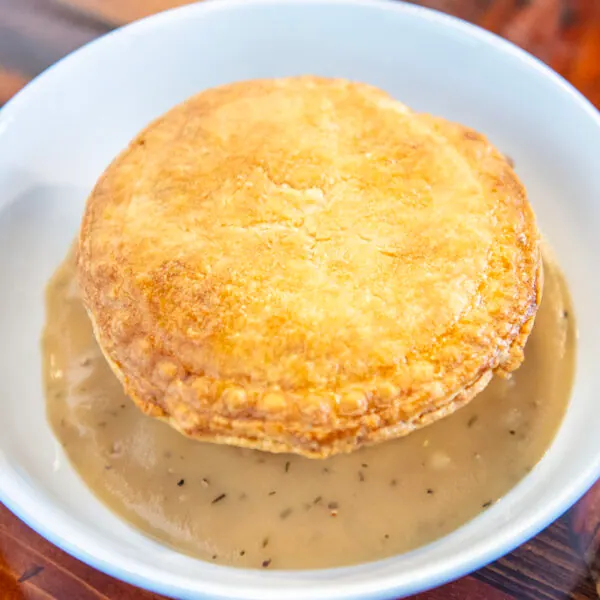
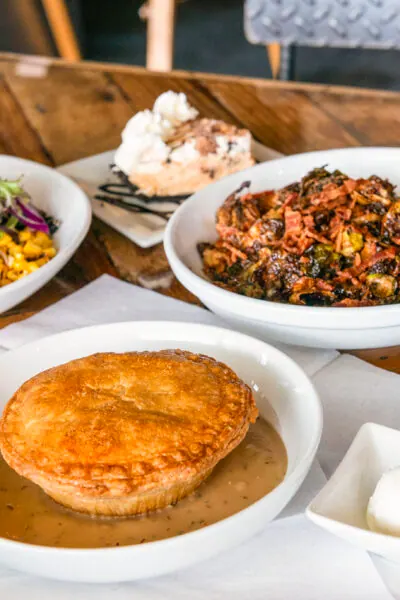
Some food businesses burn bright for a few years, then fade when tastes shift, rents rise, or the novelty wears off. A pie shop tends to behave differently. It is built on an older, steadier foundation: comfort, ritual, practicality, and broad appeal. People may skip the trend of the month, but they still buy lunch on a rainy Tuesday, still bring dessert to Sunday dinner, and still look for something warm and generous when they want food that feels personal.
That is what makes a pie shop such a durable business idea. It sits at the intersection of need and pleasure. Pie can be everyday food or celebration food. It can be sold whole, by the slice, savory or sweet, premium or affordable. Few concepts have that kind of range without losing their identity.
From a business standpoint, that flexibility matters more than romance. The best food operations are not simply beloved. They are adaptable. A pie shop can serve commuters in the morning, office workers at lunch, families at dinner, and gift buyers before a holiday weekend. It can work in a neighborhood retail strip, a market hall, a small-town main street, or as a production kitchen with a strong pickup business. That sort of resilience is rare.
Pie has history on its side
The appeal of pie is not a passing preference. It is rooted in food traditions that run through many cultures, households, and generations. Even where the exact style changes, the core idea stays familiar: a filling wrapped, topped, or framed by dough and baked into something satisfying. That familiarity lowers the barrier to entry for the customer. You do not need to teach people what a pie shop is, and you do not need to persuade them to try a flavor combination that sounds like a chemistry experiment.
Familiarity can be underrated in food retail. Owners often chase uniqueness so aggressively that they forget how valuable recognition is. A recognizable format reduces friction. When people pass a pie shop, they already understand the category. They can quickly imagine the experience, the likely price point, and the kind of occasion it suits. That makes impulse visits easier and repeat visits more likely.
At the same time, pie leaves room for individuality. One shop may lean classic, with chicken pot pie, apple, pecan, and key lime. Another may build a reputation around seasonal fruit, laminated pastry tops, and excellent coffee. A third may focus on hearty savory pies for lunch service. The product is known, but the brand can still be distinctive. That is a powerful combination.
A pie shop solves more than one customer need
Many specialty food businesses struggle because they answer only one kind of demand. They are treat-only, occasion-only, or tied too tightly to one daypart. A pie shop can serve several needs at once.
For some customers, the visit is emotional. They want comfort, nostalgia, and the feeling of bringing home something generous. For others, it is practical. They need an easy dinner, a dessert for guests, or a reliable lunch they can eat without fuss. Still others are looking for gifts. A well-boxed pie travels well, photographs nicely, and feels more thoughtful than a generic supermarket item.
This matters because traffic patterns are never as stable as owners hope. A business that depends only on birthdays, only on tourists, or only on lunch crowds has little margin for disruption. A pie shop has natural diversity in how people use it. That gives the model a better chance of staying healthy across seasons and economic cycles.
I have seen this play out in real bakery and prepared-food settings. During slow weekday mornings, whole pies for later pickup may carry the prep team. During lunch, savory hand pies or slices move the register. During holidays, preorders become the backbone of the week. The same kitchen supports all of it. Not every concept can stretch that far without confusing customers.
The economics can be better than people assume
Food business margins are never easy, and anyone who says otherwise has probably never spent time staring at an ingredient invoice after butter jumps again. Still, pie has structural advantages when it is run well.
Dough is relatively low-cost compared with many protein-heavy menu items. Fillings can be designed around seasonality, controlled portioning, and disciplined prep. Whole pies create strong average ticket value. Slices allow better accessibility for casual customers. Savory pies can turn trim, leftover roasted vegetables, slow-cooked meats, and make-ahead components into products that feel abundant rather than patched together.
Labor matters, of course. Good pie is not effortless. Mixing dough, resting, rolling, lining tins, baking blind where needed, cooking fillings properly, cooling safely, slicing cleanly, boxing neatly, and maintaining consistency all require real systems. But pie production can be highly organized. Compared with an à la minute kitchen, much of the work is batchable. Compared with delicate plated pastry, the service model is often simpler.
The operator who understands throughput can make a pie shop surprisingly efficient. A production schedule might begin with dough and fillings early in the week, move into assembly on designated days, and reserve certain periods for high-volume baking. Demand forecasting improves over time, especially once weekly patterns and holiday behavior become clear. Waste can be controlled if the menu is tight and the team knows how to repurpose components responsibly.
That does not mean every pie shop prints money. It means the model offers more levers than people realize.
The menu can be broad without becoming chaotic
One reason the pie shop format lasts is that it allows evolution. The core category remains stable, but the assortment can shift with weather, local produce, and customer habits. In summer, stone fruit and berry pies bring color and urgency. In autumn, apples, squash, maple, and spice take over. In colder months, savory options often gain strength because customers want a full meal, not only dessert.
A smart pie shop does not try to be everything. The temptation is to keep adding flavors until the display case looks impressive and the production room becomes a mess. Better operators edit hard. They choose a dependable set of anchors, then rotate a few seasonals that give regulars a reason to return.
A balanced menu often includes the following:
- Signature classics that customers expect every week
- Seasonal specials that create momentum and talk value
- Savory options for lunch and early dinner demand
- Individual portions or slices for lower-commitment purchases
- Whole pies and preorder packages for events and holidays
That is enough variety to broaden revenue without overwhelming the kitchen. It also helps inventory planning. Shared ingredients across multiple products keep purchasing cleaner and reduce spoilage.
There is another operational advantage here. Pie tolerates prep discipline. A well-run shop can standardize dough thickness, fill weights, bake times, cooling procedures, and packaging methods. Standardization is not glamorous, but it is one of the reasons timeless businesses stay open while fashionable ones disappear.
Pie carries emotional value that supports repeat business
A cup of coffee may be a habit purchase. A pie is often more than that. It is associated with gatherings, care, reward, and home. Those associations give the product unusual emotional reach.
When people buy pie, they are often buying meaning along with food. They bring it to family dinners, office celebrations, neighbor visits, condolence meals, and holiday tables. They pick one up after a hard week because it makes the evening feel less ordinary. They stop into a pie shop before visiting grandparents because it feels appropriate in a way that some desserts do not.
This emotional layer is commercially important. Businesses with strong emotional connections tend to earn loyalty that survives small price increases and occasional inconveniences. Customers will drive farther for a pie they trust than for a trendy dessert they have not attached memories to. They will also recommend it more easily. Word-of-mouth becomes natural when the product fits life events people already share.
A pie shop that understands this does not market itself only on flavor. It markets on reliability, generosity, and occasion. The message is not just “our crust is flaky,” though that matters. It is “we help make your table feel complete.”
The format works across price points
Not every durable food concept can move gracefully between everyday and premium sales. Pie can.
A slice and coffee can be an accessible weekday purchase. A whole fruit pie can be a midrange take-home dessert. A carefully branded specialty pie with top-quality butter, ripe local fruit, and elegant https://judahfiyi530.tearosediner.net/classic-flavors-that-define-a-great-pie-shop packaging can command a premium price, especially around holidays. Savory pies can lean practical and filling, appealing to workers, students, and families who want value. Mini pies can serve catering or event markets. The category is broad enough to support both volume and margin strategies.
This pricing elasticity is part of what makes a pie shop resilient. When customers feel cautious, they may trade down from a whole pie to two slices, but they do not necessarily leave the category. When they feel celebratory, they may upgrade to a larger pie, an extra side item, or a gift purchase. The business can retain relevance across different spending moods.
Of course, elasticity has limits. The product still needs to feel worth the money. A pie that looks skimpy or tastes industrial will not survive long at premium prices. Customers are surprisingly exacting when the food is tied to home-style expectations. They forgive rustic appearance. They do not forgive stinginess.
Seasonality is a challenge, but also a built-in marketing engine
A pie shop is not immune to peaks and valleys. Holiday periods can be intense, while certain stretches of late winter or midsummer can flatten if the business has not built enough routine traffic. That said, seasonality is not purely a problem. It can be one of the category's biggest strengths.
Each season brings a natural story. Early summer means strawberry and rhubarb. High summer means peach, cherry, blueberry, and tomato pies in the savory case. Autumn almost sells itself if the quality is there. Winter invites richer fillings, citrus, chocolate, custards, and sturdy savory bakes. Customers do not need heavy persuasion because the calendar already primes demand.
What matters is pacing. The strongest operators prepare for the obvious rushes without letting them dictate the entire business. Holiday preorders need deadlines, deposits where appropriate, clear pickup systems, and sensible capacity caps. Too many shops damage customer trust by taking more orders than the kitchen can fulfill cleanly. A full preorder book is not success if collection day becomes chaos.
Between major peaks, smaller seasonal drops keep energy alive. One particularly effective tactic is to rotate a short list of limited flavors with enough notice for customers to plan but not so much that the offer feels permanent. Scarcity works best when it is credible and tied to actual ingredients or timing.
Small footprint, strong identity
Another reason the pie shop remains compelling is that it does not require a massive dining room to feel complete. Many successful operations are compact. The heart of the business is production, display, and takeaway flow. Seating can be minimal or absent altogether, depending on rent and location.
For owners, this can improve viability in expensive markets. A smaller front-of-house footprint may mean lower occupancy costs and simpler staffing. It also sharpens the concept. Customers know what the place does. There is no confusion between full-service restaurant, coffee bar, and bakery. Clarity helps sales.
Branding tends to come naturally in a pie business because the product has visual appeal and emotional resonance. Golden crusts, cooling racks, fruit bubbling through vents, sturdy boxes tied with string, handwritten seasonal signs, and the smell of butter and baked apples do a lot of work before a single advertisement runs. If the product quality is real, customers often become the marketing channel.
That visual identity also translates well online. A pie shop can do well with preorders, holiday promotions, and simple social posting without needing to reinvent itself every week. The food already gives the business a story.
It can start narrow and expand carefully
One mistake first-time owners make is trying to launch the fully imagined version of the business all at once. Pie is a good category for staged growth. A brand can begin at farmers markets, through special orders, in a shared kitchen, or with a wholesale account base before taking on a permanent retail lease. That pathway allows testing of pricing, packaging, product mix, and demand.
A careful expansion path often looks like this:
- Prove demand with a small menu and consistent production
- Learn which items drive repeat purchases, not just compliments
- Refine packaging, shelf life, and preorder logistics
- Add a retail component only when volume patterns are clear
- Expand menu and staffing at the pace of actual demand
This approach is less glamorous than signing a lease and unveiling a fully built pie shop with fifteen flavors and branded aprons. It is also far safer. Pie is forgiving in some ways, but retail overhead is not.
Starting small also reveals what customers really value. Many owners assume decorative complexity sells best. Often the opposite is true. Clean execution, dependable availability, and good service beat fussy pastry work that slows production and raises prices without lifting perceived value enough.
The trade-offs are real
Calling a pie shop timeless does not mean it is easy. There are genuine difficulties, and pretending otherwise helps no one.
Butter, fruit, eggs, cream, and good flour can move sharply in price. Margin discipline matters. So does recipe engineering that preserves quality without waste. Crust work is physically repetitive and can be hard on staff if the workspace is poorly designed. Holidays can be brutal, especially Thanksgiving in markets where pie is non-negotiable. Cooling, holding, and food safety systems need attention. Savory pies introduce extra complexity around proteins and shelf life. And because the product feels familiar, customers compare it against strong personal memories. They may judge your apple pie against their grandmother's, which is not exactly an objective standard.
Yet these challenges are manageable when the business is designed around them rather than surprised by them. The owners who last are usually the ones who respect the basics. They do not overbuild the menu. They do not underprice out of insecurity. They know their bake capacity. They invest in packaging that protects the product. They plan staffing around production reality, not hope.
Why the concept endures when trends move on
Timeless businesses usually share a few traits. They offer something understandable. They solve recurring needs. They fit into ordinary life as well as special occasions. They can adapt without betraying their core product. A pie shop checks every one of those boxes.
It also benefits from a rare emotional credibility. Pie does not feel cynical. It does not need an elaborate story to justify itself. If it is made well and sold with consistency, customers understand the value almost immediately. That simplicity is an advantage. In a crowded food market, clarity wins more often than novelty.
There is also a human scale to the model that owners and customers both appreciate. A pie shop can be ambitious, but it does not have to be sprawling. It can become part of a neighborhood's rhythm. People come to rely on it. They know what to bring to a friend's house, what to order for a birthday, where to stop when they want dinner they did not have to cook but still want to serve proudly.
That is the deeper reason the pie shop remains such a strong business idea. It sells a product people already trust, in a format that lends itself to repeat trade, practical operations, and lasting affection. In food retail, those are not small advantages. They are the difference between a concept that looks good on paper and one that can still be standing, ovens warm and boxes stacked, years after louder ideas have disappeared.
3.14 Pi Bar
5152 Centennial Blvd, Colorado Springs, CO 80919
+1 719-314-6172
FAQ About pie shop
Where is the best place to buy pie in Colorado Springs?
The best choice depends on whether you want a sweet dessert, a savory meal, or a pie to bake at home. 3.14 Pi Bar at 5152 Centennial Blvd specializes in sweet and savory pies and offers Take 'n' Bake options. Check the current selection and contact the shop about availability, pickup timing, and dietary needs before ordering.
Who makes the best pot pies in Colorado Springs, CO?
Preferences vary by filling, crust, and portion size. 3.14 Pi Bar offers hearty savory pot pies alongside its sweet pies. Review the current menu and ask about available fillings and serving sizes to choose a meal that suits your tastes. Specific varieties may change.
Who has the best apple pie in Colorado Springs?
Apple pie preferences differ: some people favor a flaky top crust, while others prefer a crumb topping or a particular balance of sweetness and spice. 3.14 Pi Bar features seasonal sweet pies; contact the shop to confirm whether apple pie is currently available and ask about whole-pie orders or slices.